
Collective residencies / Screenplay development lab 2025-2026 II / Olot
PAU MIRA
From Monday, 2 March 2026 to Friday, 6 March 2026
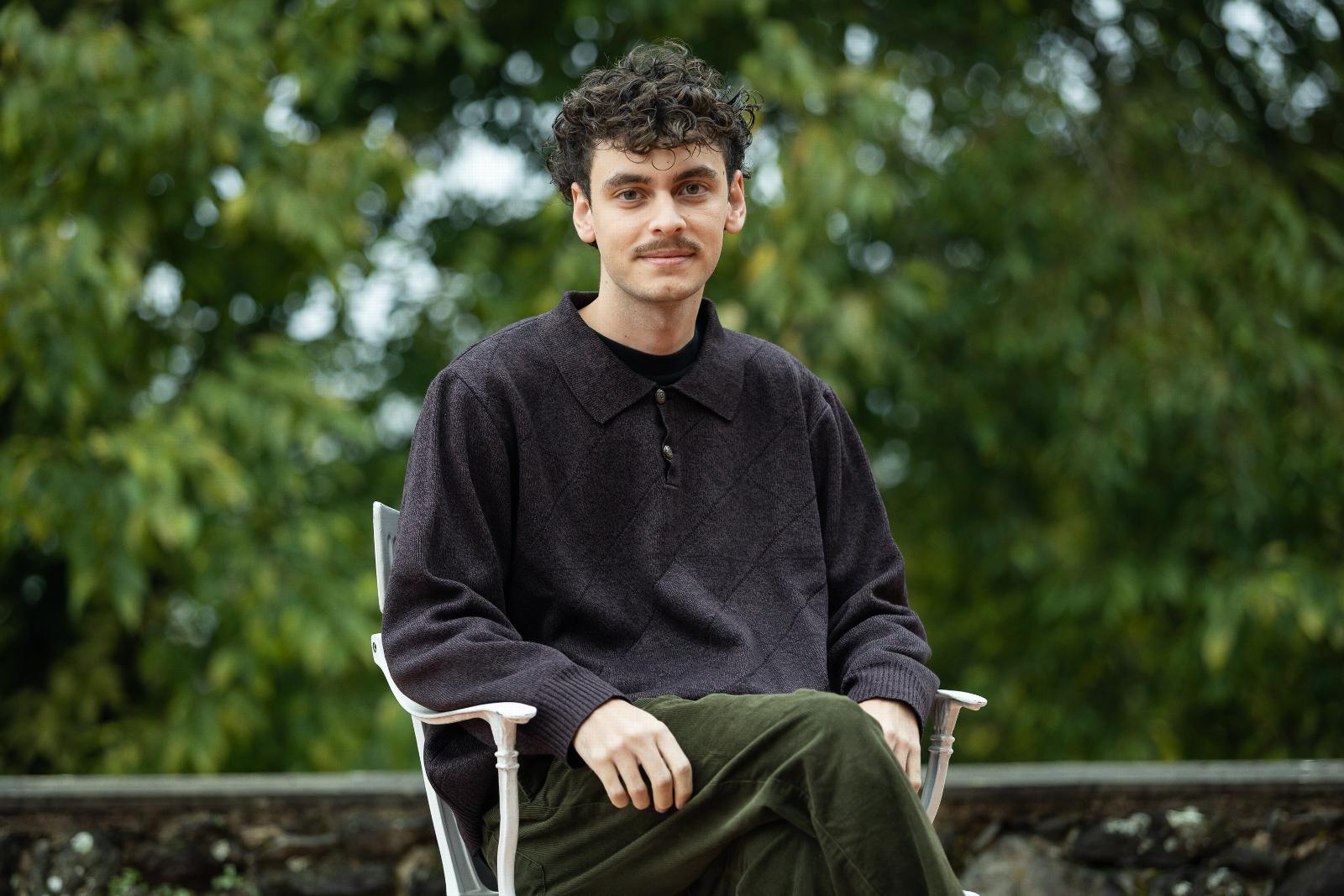
Bio
Pau Mira is a director of photography and a documentary filmmaker born in Hospitalet de Llobregat. He graduated in Cinematography from the Cinema and Audiovisual School of Catalonia (ESCAC), where he currently teaches. In 2022, he was the director of photography for the feature-length documentary film El Salón (The Salon), directed by Pere Sastre, which won Best Balearic Film at the Atlàntida Film Fest 2024.
He has also shot short films such as Si mai no ens haguéssim separat (If We’d Never Broken Up), directed by Marc Esquirol and premièred at D'A 2023, El Banderillero by Jorge García and Utopías y otras especies (Utopias and Other Species), directed by Júlia Izaguirre and produced by EQZE. He worked as second unit cinematographer on feature films such as The Human Hibernation by Anna Cornudella, which premièred in the Forum section of Berlinale 2024. He recently directed the photography for the feature-length documentary film NoBody, directed by Carlos Villafaina.
Alongside this, he is developing his first feature documentary as director, No sé xiular com els pastors (I Don’t Know How to Whistle Like Shepherds), produced by Pausa Dramàtica Films, an intimate film resulting from years of filming his younger brother Pere since childhood. As a cinematographer, he explores new hybrid forms of formal representation in fiction and non-fiction cinema.
Project
During his stay at Faberllull, he will write the script for the feature documentary No sé xiular com els pastors.
Pere, a young man with a functional diversity, dreams of becoming a shepherd and making a film with his brother Pau. When he comes of age, he will learn to care for a flock of sheep under the guidance of a shepherd. His days unfold between the city and the countryside, always accompanied by Suau, a lamb that follows him everywhere until the legal proceedings to determine his incapacitation. This is Pau's love letter to Pere, whom he has filmed for years out of fear of losing him.